
 Order via WhatsApp
Definition
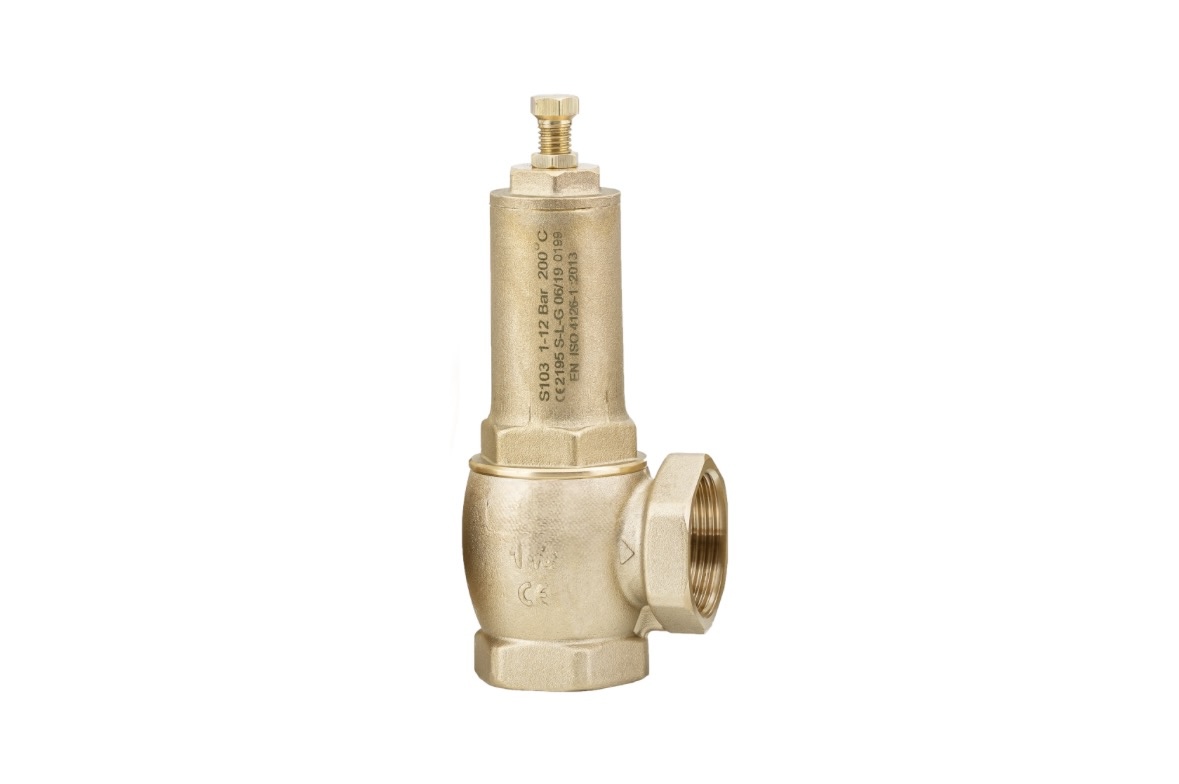
The Safety Valve is one of the most critical safety components in industrial systems. It protects equipment from overpressure by automatically releasing excess pressure once the preset pressure is reached. When the system pressure returns to a safe level, the valve automatically reseats, ensuring safe operation and preventing equipment damage.
⸻
Design
The Safety Valve is manufactured from high-quality materials designed to withstand high pressure and elevated temperatures. Its robust construction ensures fast response, precise operation, and long-term reliability. The valve opening pressure is factory-set according to the required application to provide maximum safety and optimal performance.
⸻
Features
* Reliable overpressure protection.
* Fast and accurate pressure relief.
* Prevents damage to equipment and piping systems.
* Long service life.
* Excellent resistance to corrosion and high temperatures.
* Stable and reliable performance in industrial applications.
⸻
Applications
The Safety Valve is suitable for a wide range of industrial applications, including:
* Boilers.
* Pressure vessels and storage tanks.
* Heat exchangers.
* Heating systems.
* Solar thermal systems.
* Water supply systems.
* Water pressure booster systems.
* Various industrial processes requiring overpressure protection.
⸻
Easy Installation
The valve is designed for easy installation and maintenance, making it suitable for both new and existing systems while ensuring reliable operation with minimal maintenance requirements.
⸻
Reviews
There are no reviews yet.